Friday, February 3, 2012

Cumming Dentists: Stress And Your Dental Health


Can Stress Affect Your Dental Health?


Are you battling stress in your life?


These days it is more like who doesn't have some sort of stress in their life. It seems that there just aren't enough hours in the day to do all that we "think" we need to get done. A recent stress in America Survey found that nearly 40 percent of adults experience wakefulness at night because of stress. Stress can have many different side affects on our bodies.


It can also have an impact on our dental health. One common side affect of stress is teeth grinding. Some people grind their teeth at night during their sleep and not even realize they are. This can cause headaches, sore jaws, or pain when biting.


Making small changes in your lifestyle can reduce stress levels. Eating healthier would be a great place to start. Until your stress becomes more managable, there is an appliance that can help with your teeth grinding. A mouth guard. It will act as a cushion for teeth when you are grinding. This will take the pressure off of your teeth which is causing your discomfort. The dentists here at Suwanee Dental Care can evaluate and determine if teeth grinding maybe the cause of your pain and discomfort. Come in today and get on your way to feeling better.


Get Free Electric Toothbrush with FIRST visit and the rest of these videos: 5 Keys To Dental Health:


Best Cumming Dentists unlock the secrets with 5 Keys To Reduce Your Dental Health Risks. Use electric toothbrush.Receive all five videos and coupon for free electric toothbrush: Call 678-245-6021.

Monday, September 12, 2011

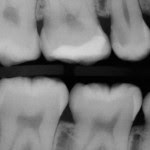
Are You Concerned About Dental X-Rays?

Let us help calm your fears! We are concerned about radiation too, so we want you to have the facts you need to make an educated decision when it comes to your children.


We want you to know the truth about dental x-rays. Just to break it down for you, below is a chart of the radiation doses you receive from different x-rays. An annual maximum occupational exposure for radiation workers in the united State is 5,000 millirems (measure for radiation). When you spread low doses out over a period of time, it's not as destructive to the body because it has time to recover.


High dose group includes:


*Mammography =1000

*Pelvimetry = 875

*Lower spine = 450

*Middle spine = 347


Medium dose group includes:


*Abdomen = 147

*Ribs = 143

*Pelvis = 133

*Skull = 78

*Hip = 72


Low dose group includes:


*Neck = 52

*Femur = 21

*Full Mouth dental series (digital) = less than 1

*Dental Bitewing (digital) = less than .05


To put this in perspective, you would need to have 2000 dental x-rays to equal the radiation in 1 mammogram. To reach that maximum safety dose, we would have to take approximately 10,000.


On average, people receive 3 dental bitewings worth of radiation a day just from being outside in the sun, around concrete buildings or roads. These are some studies produced by radiologists saying that low doses may actually reduce cancer risks. Knowing how low the dose is, lets talk about the benefits of dental x-rays.


Here are just a few:


*detecting hidden decay

*detecting the presence of a cyst or tumor

*determining the presence of permanent teeth

*detecting oral cancer

*detecting root involvement with the sinuses

*helping to determine whether or not to remove primary teeth

*determining if extra teeth are present


The list goes on and on. We hope you feel safe and secure when your child gets his or her next set of dental x-rays!


Children May Also Need Mouth Guards

Dental hygienists can provide guidance by identifying children who are at increased risk of dental trauma and discussing this risk with them and their parents. The permanent dentition of children begins to erupt around the age of 6-7 years. Children with permanent dentitions who have an increased overjet are at higher risk of dental trauma. A normal overjet is 0 -3 mm. Children who have twice the normal overjet 3-6 mm, experience twice the number of injuries to the teeth. These children are easy to identify and dental hygienists should educate them and their parents about the increased risk of dental trauma and provide guidance on what to do if an oral injury occurs.

These children with increased overjet should wear protective mouthguards when playing contact sports. Typically, kids will only wear mouthguards when they are required to, but many injuries occur when playing unorganized sports, such as skateboarding, riding a bicycle or even jumping on a tramapoline. Dental hygienists should encourage children with increased overjet to wear a mouthguard even during these everyday activities.

Treating Pregnant Patients

Dental professionals have long worried about treating pregnant patients because the effects of oral health care on fetuses are not well understood. In 2006, the Obstetrics and Periodontal Therapy Trial was conducted through funding from the National Institute of Dental and Craniofacial Research. This study determined that providing dental and periodontal care to pregnant patients did not cause an increase in preterm births or any other significant complications. A new study followed up on the study participants and their children. Researchers administered cognitive and language tests to the children of 411 inital study participants. Study authors found that the children of mothers who received dental care during pregnancy were at the same neurodevelopmental level as the children of control group mothers, demonstrating that dental treatment of pregnant women does not result in any negative effects on their children.

The opposite effect can be true, with the increase of pre-term births and low birth weight babies among women who have periodontal disease. Therfore, it is so important to have good oral care while pregnant - so go out there and make that dental appointment to get your teeth clened.

Monday, August 15, 2011

Smoking and Risk for Periodontitis


The impact on periodontitis by smoking is alarming. Thirty percent of Americans have moderate to severe periodontitis; this represents approximately 93 million people. In addition, the institutions that we trust to keep our statistics up to date have warned that our current estimates under-represent the number of actual cases of periodontitis by as much as 50 percent. Suddenly, it seems that periodontitis is even more prevalent that we once thought.


If so many people have periodontitis, what are the causes? We know that periodontal diseases are multi-factoral and can be impacted by systemic disease, medication, personal oral hygiene, and genetics, but the greatest single modifiable behavior associated with the disease is smoking. At least 20 percent of periodontitis cases are attributed to smoking.


It is common knowledge that smoking is a vasodilator, but less well-known is that smoking heavily influences the immune response, in more ways than decreased blood flow. For instance, nicotine and carbon monoxide found in cigarette smoke negatively influence wound healing. In fact, patients who smoke are expected to respond less favorably, or unfavorably to periodontal treatment.


The Surgeon General has made statements recognizing the dangers of cigarette smoke, and has linked smoking to causation of periodontal disease. So while no formal name exists for smoking- induced periodontitis, we do know that smoking causes periodontitis in a dose-dependent relationship.

Thursday, August 11, 2011

Fluoride Varnish

Fluoride varnish is one of the most common chairside treatments in the fight against dentin hypersensitivity. Applied chairside, fluoride varnish creates a barrier to adverse stimuli by occluding tubules through concentrated calcium fluoride on the tooth surface. This solidifies and blocks the open dentin tubules, reducing permeability and hypersensitivity.

Fluoride varnish is easily applied and although thorough drying of all tooth surfaces is recommended, varnish can set in the presence of saliva. Fluoride varnish's disposable unit-dose application provides for simple chairside treatment. These varnish products have also benefited from advances in flavor and color, which have increased patient acceptance.

Now with the use of fluoride varnish we have the ability to greatly improve the quality of life of our patients.

Oral Pathology

Meticulous examination and extensive documentation of existing conditions observed from intraoral and extraoral exams are imperative to the total assessment of paients for proper treatment planning. Lesions are often identified without the patient even knowing they exist because they are asymptomatic. It is the dental professionals responsibility to make every effort possible to detect suspicious lesions early and rule out the presence of oral cancer.